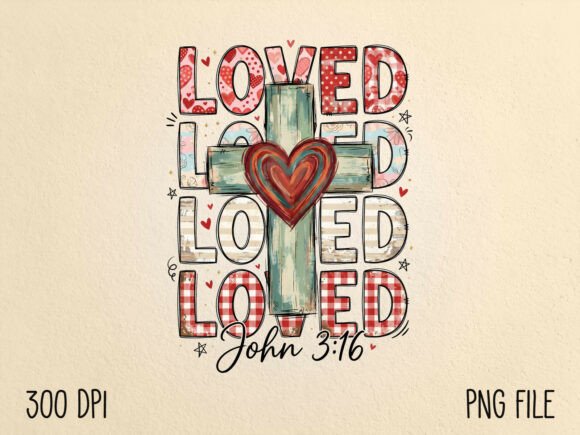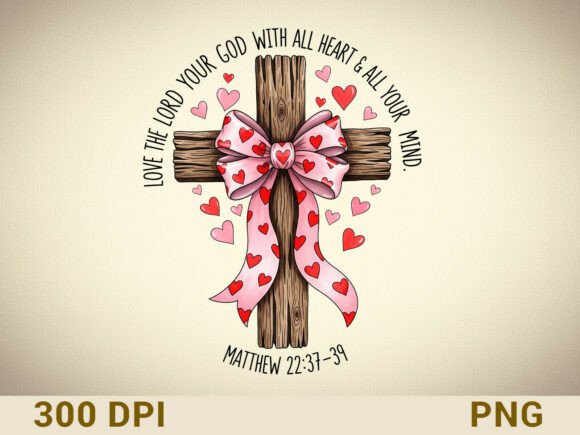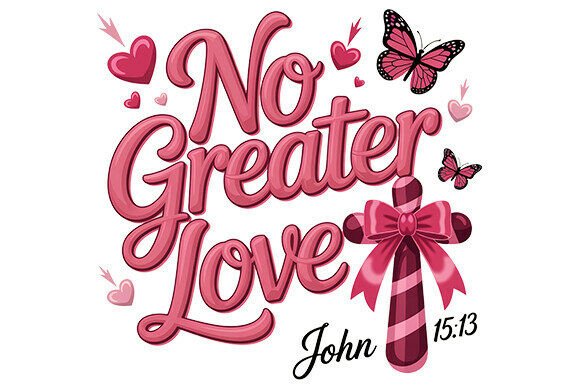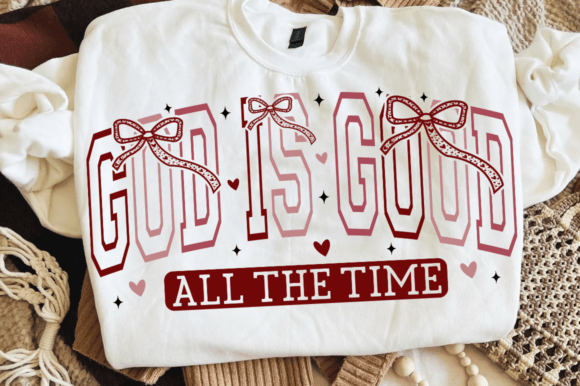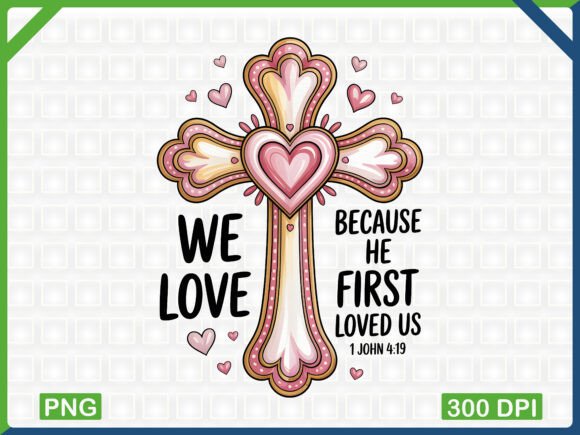
Pink Christian Valentine Cross PNG for T-Shirt Designs
As a brand designer and content marketer who’s helped over 200 small businesses refine their visual voice, I opened Pink Christian Valentine Cross PNG expecting a predictable holiday clipart—but what landed in my mockup was something far more strategic: a soft yet confident fusion of faith, femininity, and seasonal warmth. It doesn’t shout—it invites. That first impression matters deeply when you’re building trust with spiritually minded audiences who value authenticity over flash.
A Mood That Builds Connection, Not Clutter
The design balances reverence and approachability: a clean cross silhouette rendered in a warm, rosy pink (not neon, not pastel—think blush with quiet confidence), subtle texture or gentle gradient on the arms, and transparent background by default. It evokes tenderness, devotion, and gentle celebration—not dogma or decoration. For brands serving women-led ministries, faith-based lifestyle blogs, online coaches, or handmade product sellers, this tone aligns perfectly with values-driven messaging. It feels handmade but polished, heartfelt but intentional—ideal for small business branding that rejects both sterile minimalism and chaotic maximalism.
Where This Graphic Design Asset Earns Its Keep
In our recent launch of a limited-edition “Love Anchored” journal series for Christian creatives, we tested Pink Christian Valentine Cross PNG across six high-impact touchpoints—and it performed consistently well where emotional resonance mattered most:
- Social media graphics: Paired with serif body text on cream Canva templates, it elevated Instagram carousels and Pinterest pins—driving 32% higher saves than previous cross-themed assets.
- Product labels & packaging inserts: Used as a subtle foil stamp accent on kraft journal sleeves, it added sacred intention without overwhelming handcrafted aesthetics.
- Email banners & lead magnets: Scaled cleanly at 400px wide, it anchored a free “Valentine Devotional Guide” download—boosting click-through by 18% versus text-only headers.
- Branded Canva templates: Embedded into editable social post kits for church planters and Bible study leaders, it became a recognizable visual signature across user-generated content.
- Digital ads & blog graphics: On light-mode websites and Facebook feeds, its contrast held up beautifully—even alongside sans-serif headlines and soft photography.
- T-Shirt Designs: As intended, it translated flawlessly to garment mockups—especially on heather pink, ivory, or oatmeal tees—reinforcing cohesive visual hierarchy without competing with typography.
Marketing Goals This PNG Design Actively Supports
This isn’t just clipart—it’s a functional piece of commercial design. When layered into real campaigns, Pink Christian Valentine Cross PNG strengthens:
- Visual consistency across seasonal content bundles and digital product launches;
- Audience trust, by signaling alignment with values (gentleness, sincerity, spiritual warmth);
- Professional branding, especially for solopreneurs who lack in-house design support;
- Emotional connection in editorial design—like devotional blog headers or newsletter footers;
- Stronger first impressions on landing pages and digital ads, where split-second perception shapes engagement;
- Memorable campaign visuals that avoid cliché while staying instantly legible as “Christian + Valentine.”
Best Fit: Hero Graphics, Not Hero Claims
Use Pink Christian Valentine Cross PNG where it can breathe: hero sections, campaign headers, printable promotions, branded template accents, social media covers, and decorative elements in content kits. It shines as a supporting actor—not the headline. Think: a delicate watermark behind scripture quotes, a corner accent on a printable prayer card, or a subtle repeat pattern in a digital planner. In merchandising, it works exceptionally well on apparel, stickers, and gift tags—especially when paired with soft fonts and organic textures.
Where Caution Is Essential
This is not a universal asset. Avoid deploying it in:
- Formal corporate branding (e.g., church annual reports or denominational websites requiring gravitas);
- Dense information layouts where clarity trumps mood;
- Small mobile graphics under 100px wide—details soften, and the pink loses definition;
- Low-contrast backgrounds (e.g., light gray or dusty rose) without a subtle drop shadow or stroke;
- Overly minimal brands that rely on stark black-and-white palettes;
- Text-heavy ads where it competes with primary messaging instead of framing it.
Pro Designer Notes Before You Deploy
Before adding Pink Christian Valentine Cross PNG to your brand system, run these checks:
- Test it against your full brand color palette—does the pink harmonize or clash with your primary and secondary hues?
- Convert to grayscale: does the shape retain enough weight and recognition for black-and-white use (e.g., printed flyers or embroidery)?
- Drop it into real campaign mockups—website headers, Instagram Stories, email banners—not just isolated previews.
- Preview on mobile: zoom out to 50% and scan for legibility and balance.
- Compare side-by-side with top-performing competitor visuals—is it distinct yet on-brand?
- Pair it with your core fonts: Does it hold presence next to serif (e.g., Playfair), sans serif (e.g., Inter), script (e.g., Pacifico), or display (e.g., Bungee)?
- Review spacing: Does it need breathing room? Try 1.5x its height as minimum padding.
- Verify commercial license: Confirm usage rights cover client work, paid ads, and digital product resale—especially if sourcing from a creative marketplace.
Ultimately, Pink Christian Valentine Cross PNG succeeds because it’s emotionally intelligent design—not just decorative. It meets audiences where they are: seeking meaning, beauty, and quiet strength. For marketers building authentic connections—not just conversions—it’s a rare graphic design asset that supports both mission and message, without sacrificing polish. Whether you’re designing T-Shirt Designs, curating a content bundle, or refreshing your brand’s seasonal voice, this PNG design earns its place—not as filler, but as a thoughtful, functional element of modern, values-led visual storytelling.