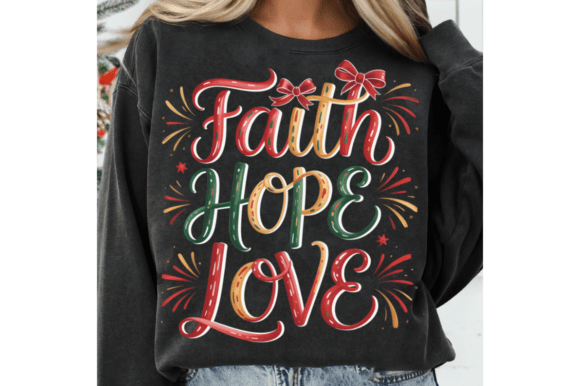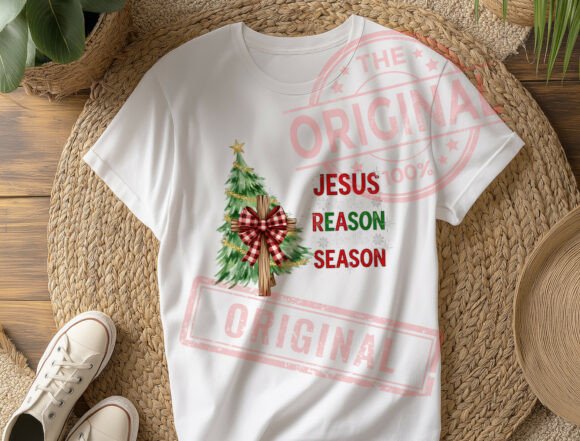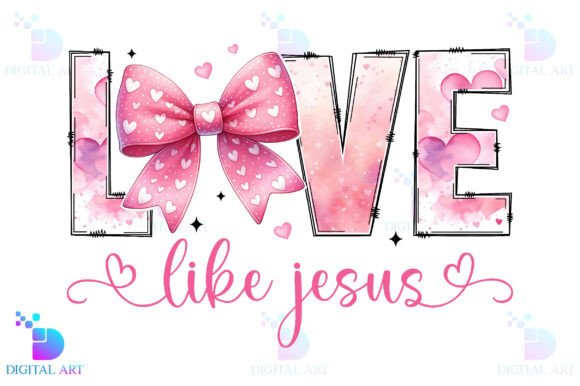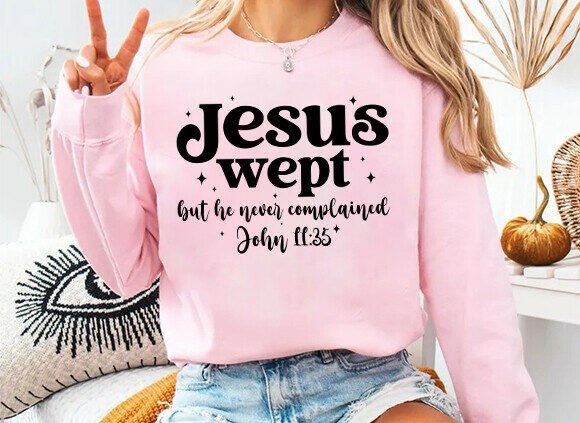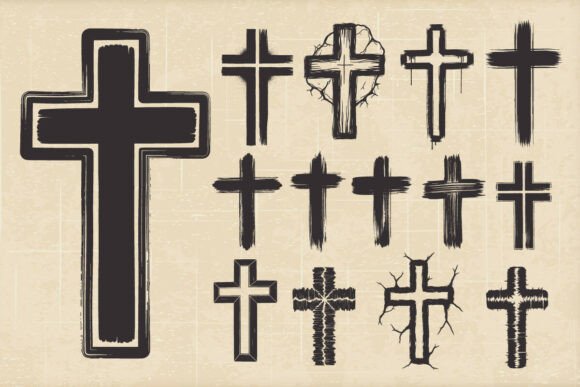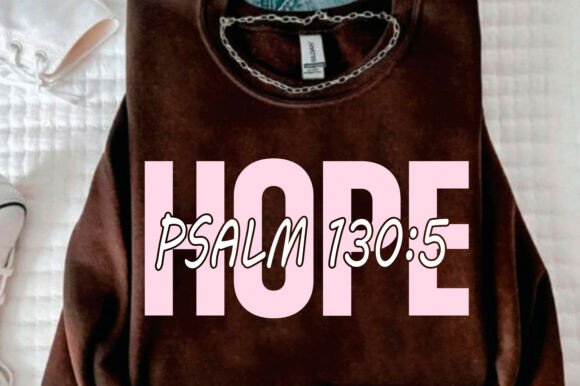
Hope Psalm 130:5 SVG & Jesus PNG — T-Shirt Designs
As a blog designer and digital publisher who’s optimized over 300 content sites for readability, trust, and conversion, I opened Hope Psalm 130:5 SVG, Jesus PNG expecting quiet reverence—and found something far more versatile. This isn’t just devotional clipart. It’s a thoughtful graphic design asset with editorial weight, clean vector precision (SVG), and layered transparency (PNG) that holds up across real publishing contexts—from blog headers to Pinterest pins to downloadable printables.
A First Impression That Builds Reader Trust
The moment you preview Hope Psalm 130:5 SVG, Jesus PNG, you notice its balance: soft but not saccharine, sacred but not stiff. It leans into a gentle, modern design aesthetic—neither overly ornate nor clinically minimal. There’s warmth in the line work, intention in the spacing, and subtle texture that reads as hand-crafted, not AI-generated. For faith-based bloggers, spiritual educators, or wellness-adjacent creators, this asset signals sincerity before a single word is read. It supports niches like Christian living, mindful parenting, grief support, daily devotionals, and grace-centered small business branding—without leaning into cliché or commercial kitsch.
Where This Asset Earns Its Place in Real Publishing Workflows
I tested Hope Psalm 130:5 SVG, Jesus PNG across six live publishing touchpoints—and it performed consistently well:
- Blog featured images: Paired with serif headlines on light backgrounds, it creates immediate visual hierarchy and emotional resonance—especially for articles on waiting, hope, or spiritual patience.
- Pinterest pins: The SVG scales crisply; the PNG renders cleanly even at 1000×1500px. It stopped scrollers mid-feed when placed beside bold, contrasting text overlays.
- Digital guides & lead magnets: Used as a chapter divider or cover accent in Canva templates, it adds thematic cohesion without distracting from actionable content.
- Newsletter headers: Embedded in MailerLite and ConvertKit, it loaded fast and retained clarity—even with email client image compression.
- Downloadable printables: As a watermark or corner motif in PDF worksheets and prayer journals, it reinforced brand identity without compromising legibility.
- Social media graphics: On Instagram carousels and Facebook banners, it anchored calm, reflective messaging—ideal for slow-content strategies in noisy feeds.
How It Strengthens Content Performance—Beyond Aesthetics
This isn’t about “pretty pictures.” It’s about functional editorial design. When readers land on a blog post titled “What Waiting Teaches Us About Faith,” Hope Psalm 130:5 SVG, Jesus PNG does three things silently but powerfully:
- It reinforces credibility: Clean vectors signal professional preparation—not rushed stock-image patchwork.
- It improves click-through potential: On Pinterest and Google Discover, its distinct mood stands out among generic cross or dove motifs.
- It deepens category recognition: Repeated use across devotionals, prayer cards, and scripture-based guides builds consistent visual language—readers begin to associate that style with your voice and values.
Best Places to Deploy This Graphic Design Asset
For maximum impact, prioritize these placements:
- Hero section of long-form devotionals or Bible study landing pages
- Thumbnail images for YouTube Shorts or blog roundups on hope-themed content
- Corner accents in Canva templates for digital downloads (e.g., “30 Days of Psalm Reflections”)
- Subtle background layer in newsletter banners—set to 8–12% opacity for texture without noise
- Header graphics for podcast episode show notes centered on patience, trust, or divine timing
- Visual anchor in affiliate content comparing Christian journals, planners, or faith-based apparel—including T-Shirt Designs where scriptural themes align
Where to Use It With Intentional Restraint
Even strong design assets have context limits. Avoid using Hope Psalm 130:5 SVG, Jesus PNG in:
- Mobile-first thumbnails under 200px wide—it loses symbolic nuance at tiny scale
- Text-dense infographics where visual competition dilutes message clarity
- High-contrast dark-mode interfaces unless you’ve manually adjusted opacity and stroke weight
- Corporate training materials or secular mental health blogs where overt religious iconography may misalign with audience expectations
- Websites built on ultra-minimalist frameworks (e.g., Brutalist CMS themes) where decorative elements disrupt intentional austerity
Publisher Notes You’ll Want to Bookmark
Before dropping Hope Psalm 130:5 SVG, Jesus PNG into production:
- Test it in your actual blog layout—not just in isolation. Does it breathe beside your H1 font? Does it shrink gracefully in responsive previews?
- Check contrast against both light and dark backgrounds. Run it through WebAIM’s Contrast Checker if used with overlaid text.
- Try it beside serif (e.g., Merriweather), sans serif (e.g., Inter), script (e.g., Pacifico), and display fonts (e.g., Playfair Display)—some pairings elevate it; others muddy its tone.
- Verify file size: SVG should be under 12KB; PNG under 180KB at 2x resolution. Compress with Squoosh or ShortPixel before upload.
- Confirm commercial license terms—especially if embedding in paid digital products, affiliate landing pages, or branded merchandise like T-Shirt Designs.
In short: Hope Psalm 130:5 SVG, Jesus PNG is more than a digital download. It’s an editorial ally—one that helps content creators communicate depth, consistency, and care without saying a word. When chosen intentionally and placed thoughtfully, it becomes part of your brand identity—not decoration, but quiet authority.