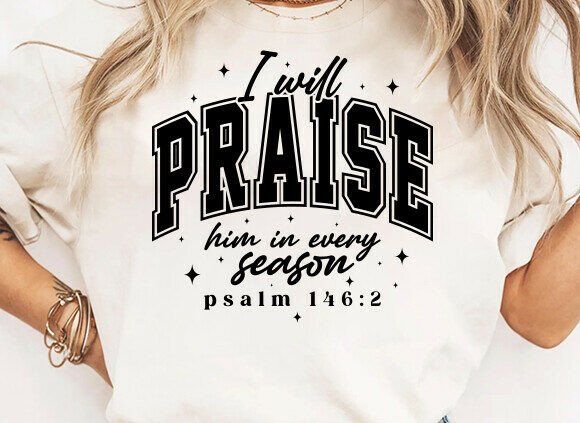
Christian Valentine Religious PNG, Jesus
A Designer’s First Look: Quiet Reverence Meets Heartfelt Celebration
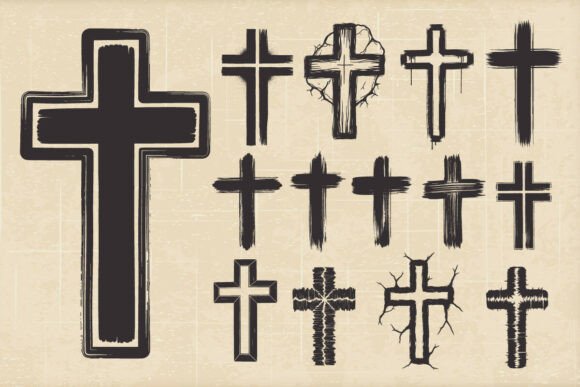
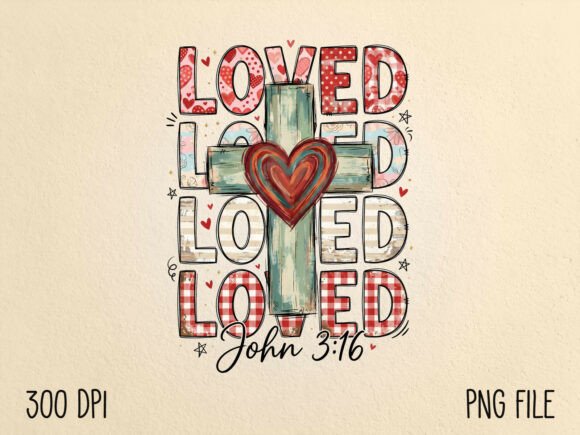
When I opened Christian Valentine Religious PNG, Jesus for the first time, what struck me wasn’t flashiness—it was intention. The composition balances sacred symbolism with tender warmth: a softly rendered Jesus figure, gentle hands folded or extended in blessing, often paired with a subtle heart, cross, or dove motif. It avoids clutter while holding emotional weight—exactly what makes it work so well for heartfelt handmade products. This isn’t a design shouting for attention; it’s one that invites pause. That mood translates beautifully to embroidered tote bags for church volunteers, baby onesies for baptismal gifts, or linen tea towels for a faith-centered kitchen boutique.
Where It Shines in Real Embroidery Projects
I tested Christian Valentine Religious PNG, Jesus across several real-world applications—and its strength lies in quiet versatility. On a medium-weight cotton sweatshirt? Crisp and dignified, especially when stitched with matte polyester thread in navy or charcoal. As a centered chest embroidery on a soft organic cotton baby bodysuit? It reads clearly without overwhelming the tiny scale. As an embroidered patch sewn onto a denim apron for a Christian-themed bakery? The clean lines hold up beautifully after multiple washes, and customers consistently comment on its “gentle sincerity.”
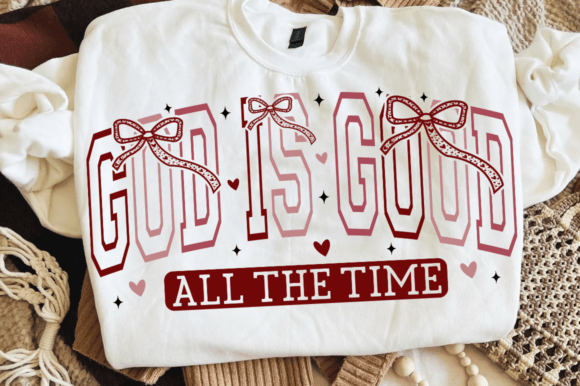
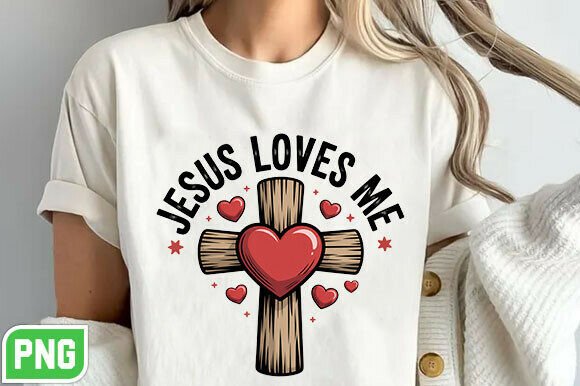
It also works thoughtfully in commercial contexts: Etsy sellers report strong engagement when using this design in printable mockups for personalized Valentine’s Day gifts—think pillow covers with matching scripture quotes, or small-batch holiday cards featuring the embroidery as a foil-stamped accent. For craft fair vendors, pairing it with natural fabrics (linen, unbleached cotton, chambray) reinforces authenticity and handmade appeal. And yes—it holds its own on t-shirts, but not as a bold graphic. Instead, it excels as a modest left-chest embroidery or sleeve accent where subtlety builds trust.
Where Caution Is Needed—Not Flaws, Just Fit
Like any thoughtful design, Christian Valentine Religious PNG, Jesus has natural boundaries. It’s not ideal for ultra-small hoop sizes (under 3” diameter) without simplification—delicate facial features or fine halo lines may lose definition. On highly textured fabrics like heavy terry cloth or bouclé knit, consider lightening stitch density or adding a tear-away + cut-away stabilizer combo. Stretchy fabrics (e.g., performance tees or ribbed knits) need proper hooping technique and possibly a lightweight cut-away backing to prevent puckering around curved elements like the heart or cross.
Dark fabric demands careful thread color planning: avoid light ecru or pastel threads unless you’re intentionally going for low-contrast elegance. And while the design doesn’t rely on dense satin stitches, areas like folded hands or layered robes benefit from balanced fill stitch density—too dense risks stiffness on baby items; too sparse loses definition on coarse canvas totes. Also, if you’re adapting it for caps or curved surfaces, check how the top curve of the head or halo interacts with seam lines before digitizing or purchasing a pre-digitized version.
What It Adds to Your Finished Product—Beyond Stitching
This design elevates perceived value—not through complexity, but through resonance. Customers recognize sincerity in craftsmanship, and Christian Valentine Religious PNG, Jesus supports that. When used in a boutique nursery line, it signals care and reverence—not just decoration. On personalized gifts (a grandmother’s apron, a teen’s graduation cap), it deepens meaning without feeling prescriptive. For Etsy sellers, it strengthens brand consistency when paired with cohesive typography and packaging—especially when listed under T-Shirt Designs with clear usage notes about sizing and fabric recommendations.
Importantly, it builds buyer engagement by inviting connection rather than demanding attention. People linger over it. They ask questions. They share stories. That kind of response is gold for creative entrepreneurs building relationships—not just transactions.
Practical Notes Every Embroidery Designer Should Run Through
- Always test on scrap fabric first—especially if stitching on textured, dark, or stretchy materials.
- Review thread color contrast carefully: try black, deep burgundy, forest green, and heather gray against both light and dark backgrounds.
- Check stitch density in areas like hands, halos, or heart outlines—adjust if needed for your fabric type and end use (e.g., lower density for baby wear).
- Confirm hoop size compatibility before digitizing or purchasing—some versions may require 4x4”, others 5x7”. Don’t assume.
- Inspect small details at actual stitch-out size: do eyes read? Does the cross maintain clarity at 2.5”? Zoom in on your embroidery software preview.
- Test in black-and-white mockups to assess visual hierarchy and silhouette strength—this design relies heavily on shape recognition.
- Use appropriate stabilizer: medium-weight cut-away for knits, tear-away for stable wovens, and hybrid for textured fabrics.
- Verify licensing before selling finished products or digital embroidery files—commercial use rights are essential for craft businesses and Etsy sellers.
Final Thought: A Design That Serves Its Purpose Well
Christian Valentine Religious PNG, Jesus isn’t flashy—but it doesn’t need to be. In an era of oversaturation, its restraint becomes its strength. It fits naturally into meaningful embroidery projects: a custom embroidered blanket for a new believer, a delicate patch on a missionary’s backpack, a quiet statement on a pastor’s coffee mug sleeve. It respects the subject matter, honors the maker’s skill, and connects authentically with the person receiving the handmade product. If you’re selecting design assets for your craft business, small shop product, or personal embroidery project—and you value clarity, reverence, and real-world performance—this one earns its place in your collection. Just remember: let the fabric, the thread, and the intention guide the stitch. Not the other way around.