Christian Christmas Coquette Bow
A Delicate Balance of Faith, Festivity, and Flair
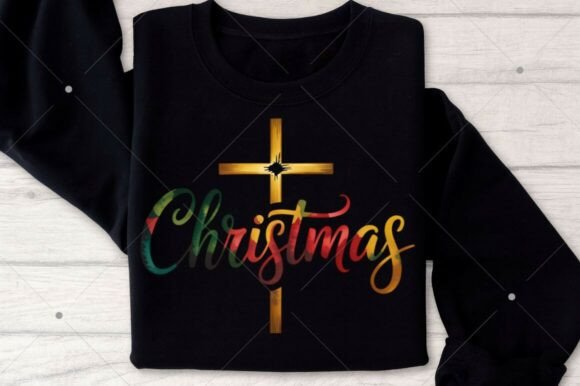
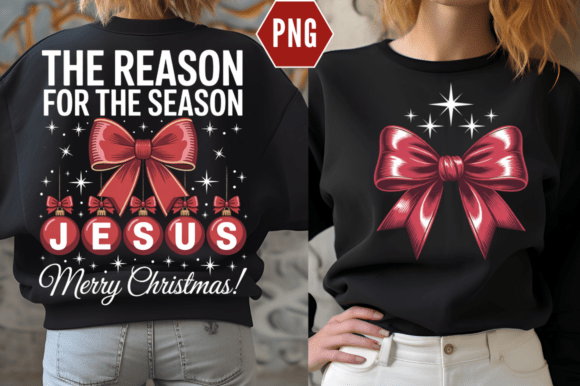
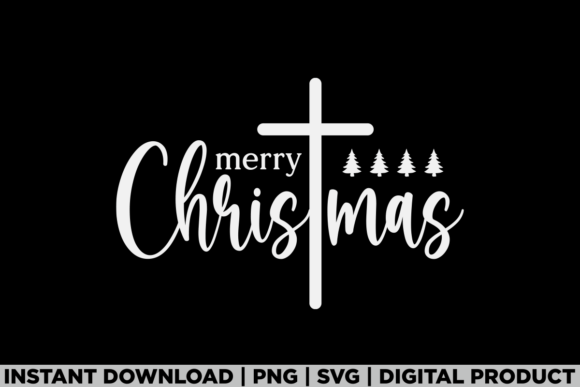
When I first opened the Christian Christmas Coquette Bow embroidery file, I didn’t just see a holiday motif—I saw a mood. Soft curves, a gentle bow silhouette with subtle ribbon swirls, and a quiet cross nestled at its center create something that’s reverent without being stiff, playful without veering into kitsch. It’s not a bold proclamation—it’s a whisper of faith wrapped in seasonal charm. That nuance is exactly what makes it work so well for handmade products where sincerity matters more than spectacle.
How It Lives on Real Fabric—Not Just in Mockups
Last week, I stitched the Christian Christmas Coquette Bow onto a natural linen tea towel for a local boutique’s holiday collection. The design landed beautifully: the satin stitch bow held crisp definition, the cross remained legible even at 2.8 inches wide, and the overall scale felt intentional—not too dainty to disappear, not so large it dominated the textile. It performed especially well as a tote bag design on medium-weight canvas, where the bow’s gentle curves echoed the soft drape of the fabric. I also tested it on a lightweight cotton baby onesie—and here’s where attention matters: the fill stitch density was moderate, but I added a light tear-away stabilizer beneath and reduced top tension slightly. No puckering, no thread breaks, and the finished piece looked thoughtfully handmade, not mass-produced.
Where It Shines—and Where It Asks for Care
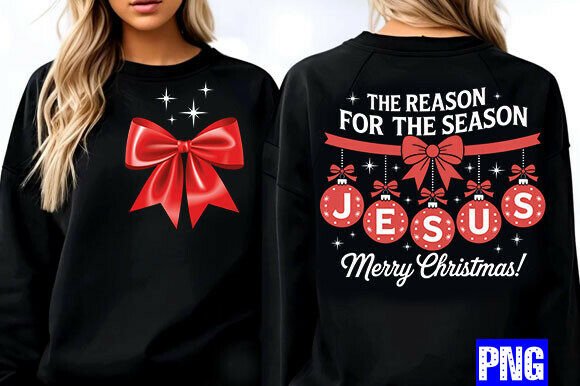
The Christian Christmas Coquette Bow thrives in contexts where warmth and intentionality are part of the product story. Think: embroidered pillow covers for a nursery, personalized sweatshirt cuffs for church volunteers, or delicate patches sewn onto denim aprons for a Christian-themed kitchen brand. It’s equally at home on a holiday gift tag or a small-batch batch of ceramic mug sleeves. As a T-Shirt Designs asset, it works best centered on the chest or subtly placed near the hem—not across the full back, where its quiet elegance would get lost.
That said, it’s not universally forgiving. On highly textured fabrics like bouclé knit or thick terry cloth, the finer satin-stitched edges can blur. On dark fabric, I recommend testing thread colors carefully—the original palette leans toward ivory and soft gold, which read beautifully on cream or oatmeal but fade on charcoal unless you switch to high-contrast threads like navy or burgundy. And while it stitches cleanly on flat surfaces, avoid placing it directly over seams or curved areas like cap fronts without re-hooping and adjusting placement; the bow’s symmetry relies on even tension.
Stitching Clarity = Customer Trust
In my experience, buyers don’t just buy embroidery—they buy confidence in craftsmanship. When the Christian Christmas Coquette Bow lands crisply, with clean satin stitch transitions and balanced negative space around the cross, it signals care. That perception lifts perceived value, especially for Etsy sellers pricing handmade goods at premium tiers. I’ve watched customers linger longer on listings featuring this design in natural-light mockups—especially when styled with rustic wood backgrounds or folded linen—because it reads as *intentional*, not algorithmic. It supports brand consistency for faith-based craft businesses that want gentle visual cohesion across mugs, towels, and apparel without leaning into cliché.
Practical Designer Notes You’ll Actually Use
- Always test on scrap fabric first—especially if pairing with stretchy knits or lightweight voile. The bow’s curves respond differently depending on fabric recovery.
- Check thread color contrast early. This isn’t a design that forgives low-visibility combos. Ivory-on-cream may look lovely in theory but vanish on camera.
- Review stitch density before scaling. If resizing beyond 120% or below 75%, inspect how the cross details hold up—tiny elements can collapse or become overly dense.
- Confirm hoop size compatibility. At standard size, it fits comfortably in a 4x4 hoop—but double-check your version’s dimensions before loading into your machine.
- Inspect corners and curves in your embroidery software. Look for unnecessary jump stitches or overlapping satin columns that could cause bulk.
- Test black-and-white mockups. This design gains strength from simplicity—seeing it stripped of color helps spot balance issues.
- Compare light and dark fabric backgrounds side-by-side. What reads as serene on ecru might feel washed out on navy.
- Use appropriate stabilizer: cutaway for knits, tear-away for stable wovens, and fusible + tear-away for lightweight linens.
- Verify licensing terms before selling finished items or bundling the machine embroidery design in digital product packs. Not all digital embroidery files include commercial rights.
Beyond the Stitch—What This Design Says About Your Craft Business
Choosing the Christian Christmas Coquette Bow isn’t just about picking a holiday motif—it’s a quiet alignment with your values as a maker. It supports slow, meaningful production over fast trends. It invites storytelling: a grandmother gifting a bow-embroidered blanket to her grandchild, a small shop owner curating a “Faith & Festivity” collection, an Etsy seller building a cohesive line of Christian-themed personalized gifts. It doesn’t shout. It settles in. And in today’s saturated market, that kind of grounded presence builds trust faster than any flash-in-the-pan trend.
For craft business owners, this embroidery file functions as both a reliable workhorse and a subtle differentiator. Used consistently across product types—a matching set of tea towels, oven mitts, and aprons—it becomes a signature touch. Paired with thoughtful packaging and handwritten notes, it transforms a simple finished product into something emotionally resonant. That resonance? That’s what turns one-time buyers into repeat customers—and what makes holiday season orders feel less like inventory pressure and more like joyful contribution.